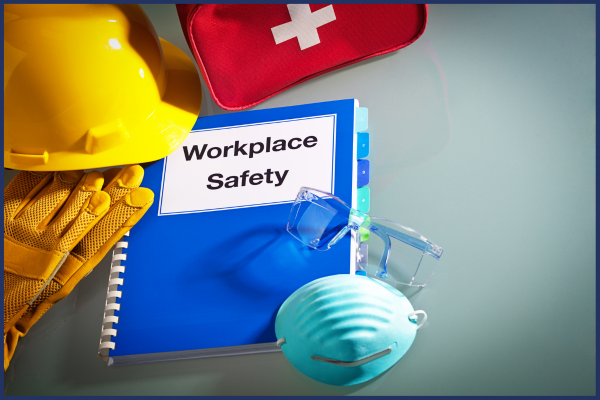
To ensure a safe work environment, businesses must create a strong safety culture through clear policies, consistent training, and open communication, while actively mitigating risks by performing regular risk assessments, maintaining facilities and equipment, providing proper personal protective equipment (PPE), and developing effective emergency response plans. Encouraging employee responsibility for their own safety and that of others, reporting hazards, and leading by example are also crucial components of a comprehensive safety program.
Foundational Steps
-
Develop a comprehensive safety policy:Establish clear policies and procedures for health and safety to be followed by all employees.
-
Conduct risk assessments:Regularly assess the workplace for potential hazards and risks to employee health and safety.
-
Provide regular safety training:Ensure employees receive adequate training on safety procedures, hazard identification, and the proper use of equipment.
Promoting a Safety Culture
-
Foster open communication:Encourage employees to report unsafe conditions and communicate freely about safety concerns without fear of retribution.
-
Encourage employee responsibility:Empower employees to take responsibility for their own safety and that of their coworkers.
-
Lead by example:Management should demonstrate a strong commitment to safety by following all safety rules and regulations.
-
Recognize safe behavior:Acknowledge and reward employees who exhibit safe work practices to reinforce positive behaviors.
Maintaining a Safe Environment
- Maintain facilities and equipment: Keep the workplace clean, well-lit, and free of obstructions, and ensure that all equipment and machinery is in good working order.
- Provide and enforce PPE: Supply appropriate personal protective equipment and ensure employees use it correctly.
- Organize traffic routes: Keep floors and pathways clear to prevent slips, trips, and falls.
Emergency Preparedness
-
Create emergency response plans:Develop and practice plans for various emergency situations, such as fires, accidents, or other critical incidents.
-
Provide clear signage and alerts:Use visible signs to indicate hazards and emergency exits, and ensure clear communication channels for alerts.