What do you know about fire?
Select the heading below to find out more.
Fire:
- is a chemical reaction producing smoke, heat and flames
- produces dangerous and toxic gases which can be fatal
- causes confusion and could make it difficult to find your way out of a building due to a lack of visibility
- damages property
- causes injury or death
The main cause of death from a fire is smoke inhalation.
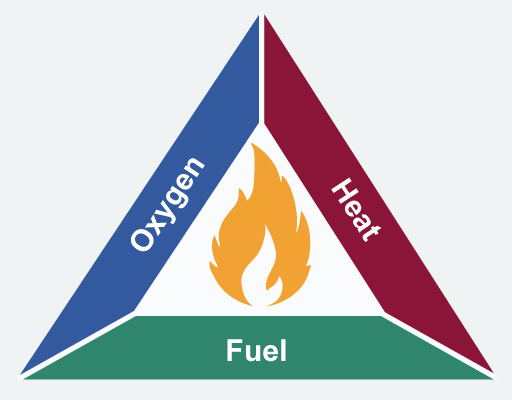
A fire needs 3 elements (Figure 1).
- Oxygen.
- Heat.
- Fuel.
Take one of these elements away and the fire will be extinguished.
Common causes of fire
Some of the most common causes of fires are arson, cooking, electrical and smoking materials.
Select each image below for more information on electrical and arson fires.
Electrical
Electrical
To reduce the risk of electrical fire:
all organisations should have a portable appliance test (PAT) procedure in place
turn off electrical equipment when not in use
report faulty equipment, trapped or pinched electrical cables to the appropriate helpdesk
follow local procedures for use of extension cables
where electrical charging devices are provided, ensure that they are in good condition
where electrical equipment is brought in by staff or patients, it is important that Trust electrical equipment safety procedures are followed
Arson
In workplace premises, when arson occurs it can affect the Trust's ability to deliver a service to its patients, as well as affect staff morale. We can reduce the likelihood of arson by following some simple rules:
do not overfill waste baskets and ensure that they are emptied
keep store cupboards tidy and their doors shut at all times when they are not in use
ensure that fire doors marked 'fire door keep shut' or 'fire door keep locked shut' signs are followed
do not overfill waste containers and keep them locked and away from buildings where practicable
be vigilant; if someone is acting suspiciously, contact security or switchboard on the emergency number