In the event of a fire
- If you see a fire, smell smoke or suspect a fire, raise the alarm; shout “Fire!” or use a fire alarm call point.
- Follow the emergency plan which may involve starting evacuation according to local strategy (for example, progressive horizontal evacuation or evacuate the building if not a clinical area), closing doors and windows if safe to do so.
- Ensure that the fire and rescue service has been called by using the emergency number 999.
- Fight the fire if you are trained and it is safe to do so.
- Direct the fire and rescue service on arrival, providing as much information as possible.
Each organisation’s procedures will vary slightly, so ensure you are familiar with your own organisation’s procedures.
How to extinguish a fire
There are 3 ways to extinguish a fire:
- cool it
- smother it
- starve it
Select the headings to find out more.
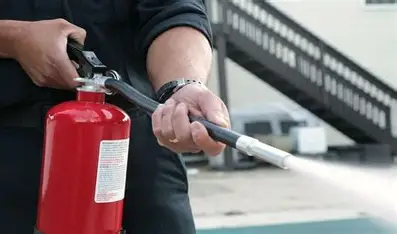
Cool It
Putting water on a fire will not only cool the flame but also the fuel, making it hard for the fuel to re-ignite as it is below its combustion temperature. Cooling with water removes the heat element from the fire triangle.
Remember, there are some fires which it can be dangerous to add water to, such as burning liquids. It is important to only use a fire extinguisher if you have been trained and it is safe to do so.
Smoother It
Using a CO2 extinguisher, or covering the fire with a fire blanket or a layer of foam, will cut off the oxygen needed by the fire.
This removes the oxygen element from the fire triangle.
Starve It
By removing fuel and making a fire break the fire can only spread a certain distance. This removes the fuel element from the fire triangle.