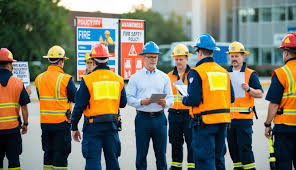
Participating in safety training and drills is essential for developing “muscle memory,” so individuals can respond confidently and effectively to real emergencies. For employees, this preparedness boosts confidence, and for organizations, it ensures legal compliance and reduces costs associated with accidents.
Benefits of participation
- Boosts confidence and reduces panic: By practicing emergency procedures in a controlled setting, people are less likely to panic and more likely to respond calmly and promptly during a real crisis.
- Builds and reinforces muscle memory: Repetition of emergency actions, such as evacuation routes or using equipment, helps internalize the correct procedures. This allows for a more automatic and coordinated response under stress.
- Identifies weaknesses in plans: Drills provide an opportunity to test emergency plans, revealing any gaps in communication, procedure, or equipment. These weaknesses can then be addressed before an actual emergency occurs.
- Fosters a safety culture: Regular training and drills show that safety is a priority, encouraging employees to take safety protocols seriously and fostering a positive and resilient workplace culture.
- Ensures regulatory compliance: Many industries have legal requirements to conduct regular safety drills, such as fire drills. Participation helps organizations meet these obligations and avoid fines.
Common types of safety training and drills
- Emergency evacuation drills: Practicing the evacuation of a building and assembling at a designated safe location is a common drill. It is essential for situations like fires or bomb threats.
- Lockdown or shelter-in-place drills: These drills train occupants on how to secure their location and remain hidden from an external threat. This is relevant for schools and workplaces concerned with active shooter situations or dangerous events outside.
- Medical emergency drills: These can range from basic first-aid training for treating common injuries to more complex drills simulating a casualty and coordinating with first responders.
- Hazardous material (HAZMAT) drills: For workplaces that handle dangerous chemicals, these drills cover proper spill response, including using personal protective equipment (PPE) and containment procedures.
- Natural disaster drills: Depending on the region, these could include practicing for earthquakes, tornadoes, or other severe weather events.
- Tabletop exercises: These discussion-based sessions simulate an emergency scenario to help response teams practice their roles and review plans without a full-scale physical drill.
How to participate effectively
- Engage interactively: Rather than just listening, participate actively in hands-on simulations, group discussions, and role-playing exercises. This leads to better knowledge retention.
- Pay attention and take it seriously: Treat drills as if they were a real emergency. This practice ingrains the correct responses, making it more likely you’ll react appropriately during a genuine incident.
- Ask questions: If you are unclear about any procedures or responsibilities, ask for clarification. Understanding the “why” behind a safety protocol makes it more likely you will follow it correctly.
- Provide feedback: After a drill, offer honest feedback on what went well and what could be improved. Your insights can help refine procedures and make the next drill more effective.
- Demonstrate what you’ve learned: Show that you’ve retained the information by actively following safety protocols in your daily tasks. This helps reinforce the training for both yourself and your colleagues.