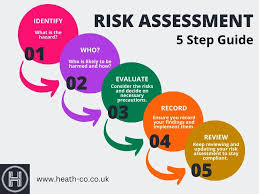
Risk assessment and management is a systematic, ongoing process for identifying hazards, analyzing potential harm, evaluating risks, and implementing controls to prevent harm or maximize opportunities. The process involves several key steps, including hazard identification, risk analysis (likelihood and severity), risk evaluation, and implementing and reviewing control measures to ensure they remain effective. This is a fundamental component of health and safety and business management, required by law in many workplaces and vital for protecting people, assets, and reputation.
The Steps of Risk Assessment and Management
The process typically involves these core steps:
-
Identify Hazards:Look around the workplace and identify anything that could cause harm, such as chemicals, equipment, or unsafe work practices.
-
Assess the Risks:Determine who might be harmed by the hazard and how they might be harmed. You then evaluate the likelihood and potential severity of the harm occurring.
-
Control the Risks:Weigh up whether enough precautions have been taken or if more is needed to prevent harm. This involves implementing control measures to reduce or eliminate the risk.
-
Record Your Findings:Document the identified hazards, the risks, the control measures in place, and the overall findings of the assessment.
-
Review the Controls:Periodically review the controls to ensure they are still effective and up-to-date. Changes in the workplace, technology, or regulations necessitate regular reviews.