CO₂ extinguishers are suitable for:
Class B fires: Flammable liquids like petrol, paint, and solvents.
Electrical fires: Computers, servers, and other electronic equipment.
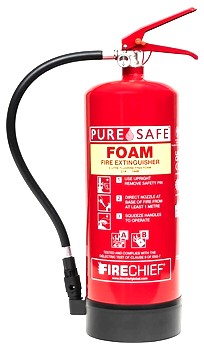
Foam extinguishers are effective on flammable liquids but can be used on all non-electrical fires.
❌ Not Suitable For:
Class C fires (flammable gases like methane or butane)
Class F fires (cooking oils and fats, e.g., chip pan fires)
Electrical fires unless the extinguisher has passed the 35kV conductivity test—even then, use with caution.
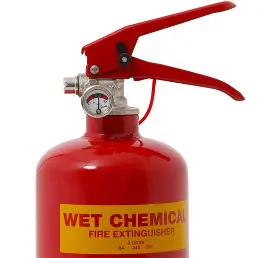
These are developed specifically to deal with deep fat cooking fires so are suitable for fires in kitchens and in food-processing plants
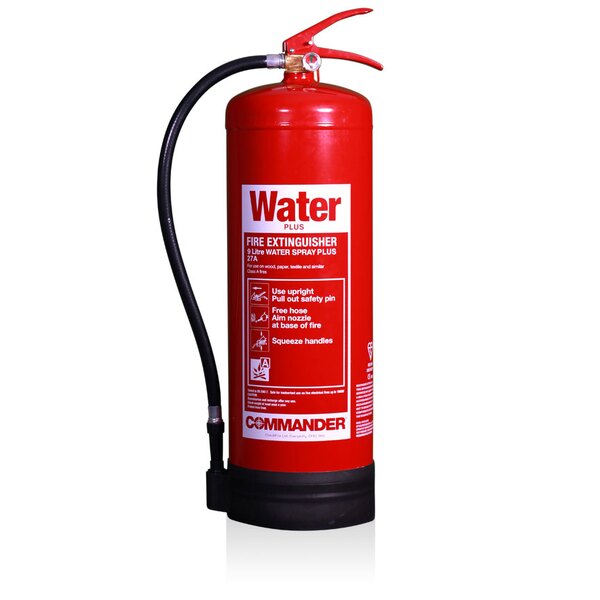
Water extinguishers are designed for Class A fires, which involve:
Paper
Wood
Textiles
Other organic materials
They work by cooling the burning material, removing heat from the fire triangle (heat, oxygen, fuel), and stopping combustion
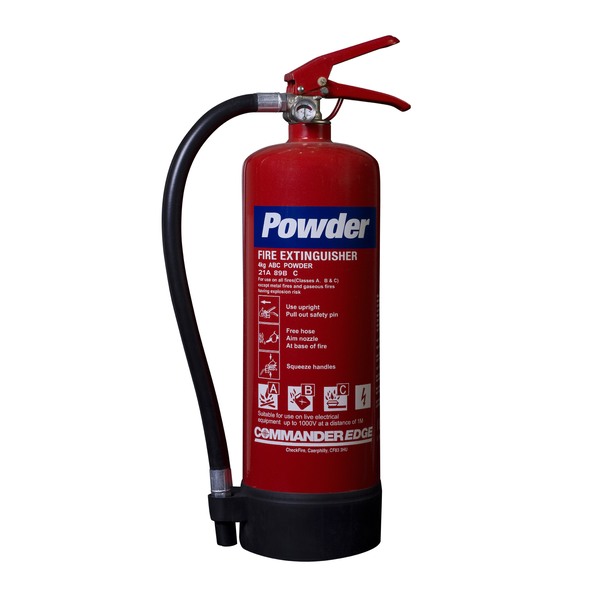
There are some specialist fire extinguishers that may be used on specific equipment, for example, designated water mist or spray foam. They will list the type of fire they may be used on.
Please remember, before using extinguishers, it is important that you are trained in their use; this includes knowing which type to use on a specific burning fire and the safety precautions to take.
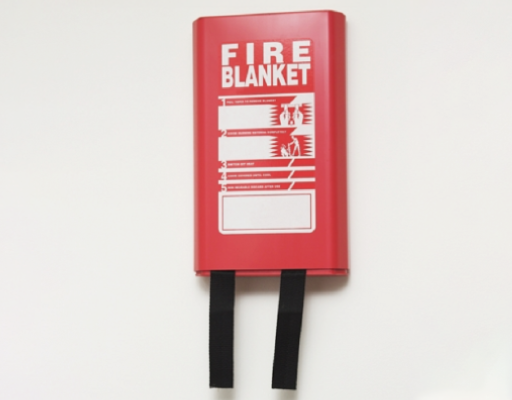
Contain a fire by smothering it.
Fire blankets are typically used for small electrical appliance fires; they can also be used if someone’s clothing is on fire.
Continuous Development of Staff is proudly powered by WordPress